
What Is Media Training? A guide for spokespeople
Media training is one of those things people often hear about long before they properly understand what it involves, but then an opportunity comes your way:
- A journalist call
- A leadership role
- A podcast opportunity
Ultimately, a moment where you’re asked to represent something bigger than your day-to-day work.
And at that point, the question, 'what actually is media training, and is this what will help?' surfaces.
What Media Training actually is
Media training is about preparing someone to communicate clearly, confidently, and credibly when they are speaking on behalf of an organisation.
Its purpose is to help guide you on how to think clearly, respond naturally, while communicating in a way that people understand and remember, even when you’re under pressure. It is often referred to as executive media training.
Who Executive Media Training is designed for

Media training is typically designed for:
- Senior leaders
- Subject matter experts
- Founders and business owners
And increasingly, anyone who is required to represent their organisation, whether externally or internally.
Because visibility is no longer limited to traditional media - it now includes podcasts, panel discussions, webinars and social media videos, and the expectations are now higher across all of them.
If you're currently considering executive Media Training, there are a few things worth thinking about first - let's explore them more deeply.
Start by identifying what you need Media Training to help with
Before choosing or investing in executive media training, it’s worth being clear about where you need to perform, and what you specifically need help with.
Because while strong communication underpins a variety of engagement platforms, the demands are different, and we are all individuals with our own challenges.
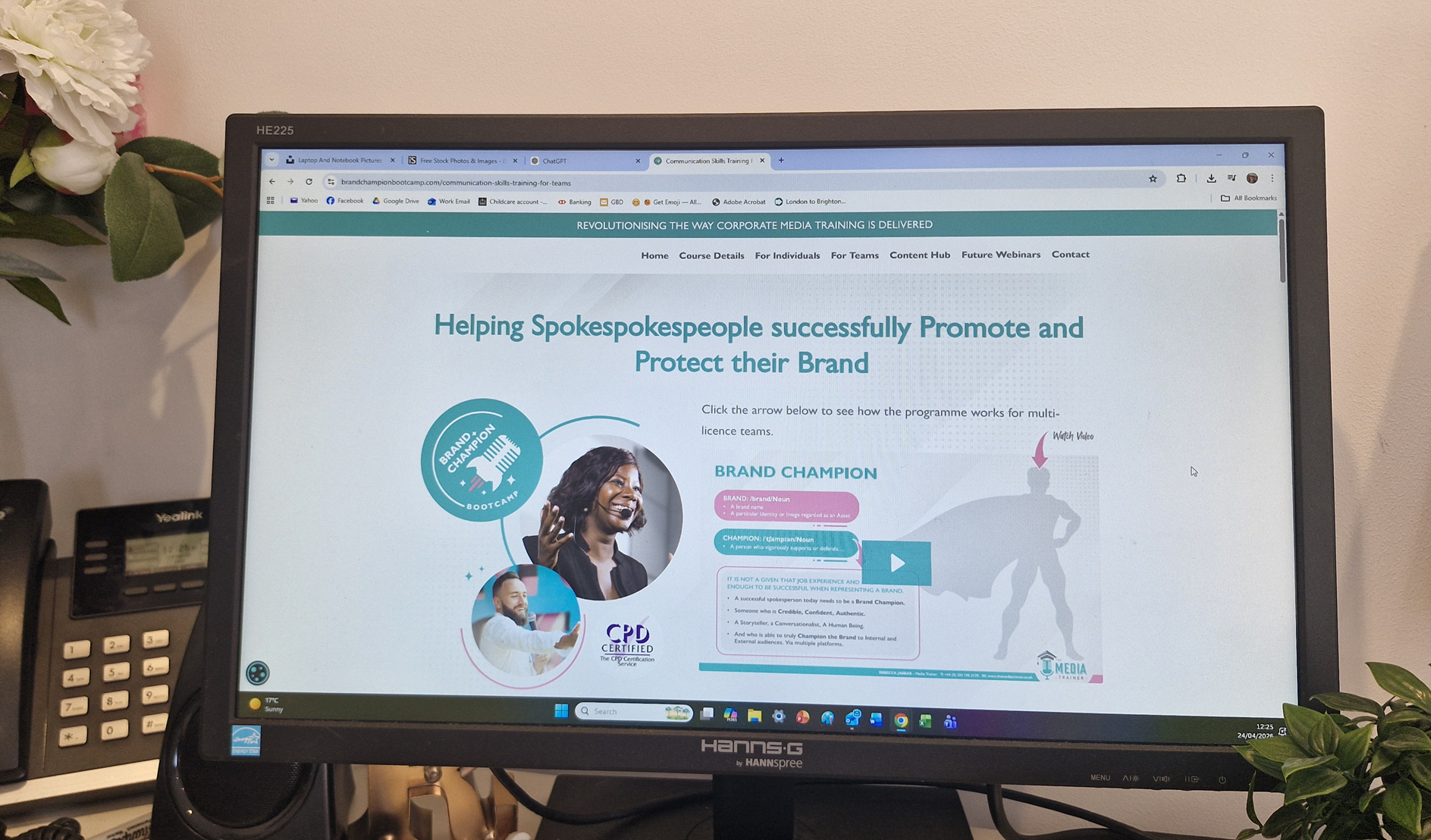
While Brand Champion Bootcamp supports performance across multiple platforms, including presentations and panel discussions, and helps you focus on your specific areas of development, many generic training programmes focus on one setting in isolation and rely heavily on general tips.
What happens in a structured Media Training programme
Executive Media Training should not only explain how the media works, but it should equip you with skills that you can use with ease. The programme should include
- Understanding how interviews are structured, and what the expectations are of those asking questions
- Developing clear, usable messaging
- Learning how to handle difficult or unexpected questions
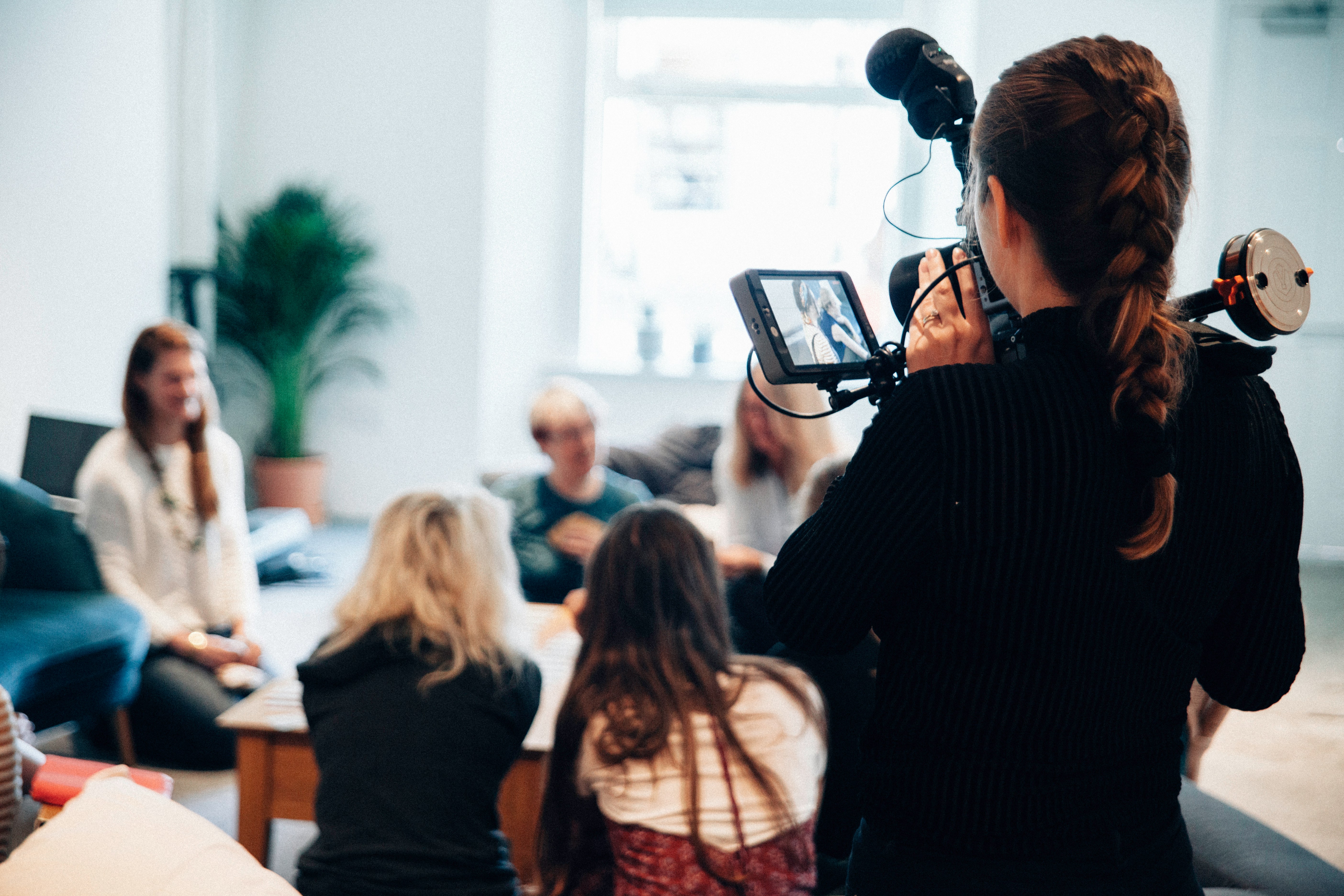
- Practising realistic scenarios
- Receiving detailed, practical feedback
If you search for media training tips, you'll find plenty of useful advice, and there are many programmes available. But the difference between 'standard' and 'good' is how the learning is structured.
Anyone can become a 'media trainer'. Many come from journalist backgrounds who offer this service with this expertise only, which means they can provide a realistic interview experience, but that often results in practice alone, rather than structured development.
Why frameworks matter more than tips
A lot of training is developed informally, built on experience and expanded through tips, tricks, and techniques, but these tips don’t always hold when the pressure is on.
What makes the difference is having simple, repeatable frameworks you can rely on.
Frameworks help you:
- Prepare quickly
- Organise your thinking
- Stay focused when questions move
- Communicate in a way that is clear and memorable
They give you something to come back to, time and time again.
And ultimately, they’ll help you to land your message consistently, rather than hoping you’ll find the right words in the moment.
How Media Training differs from Presentation Training
You may already have experience of presentation training, or be considering it alongside executive media training. They are often grouped together, but they serve different purposes.
Presentation training focuses on:
- Structuring a message
- Delivering to an audience (say what you're going to say, say it, say what you've said)
- Maintaining engagement
Media training focuses on:
- Responding to questions
- Handling unpredictability
- Staying on message under pressure
- And all of what presentation training includes
In a presentation, you largely control the flow, you have the opportunity to rehearse, and have slides that support both you and your audience.
In a media interview, or any Q&A situation, you don’t.
That difference is what makes structured preparation so important.
Why this matters more now
As content becomes easier to create, refine and publish, the ability to communicate clearly live is becoming more valuable. Audiences are more aware of how polished content can be, which means they’re placing more value on moments that feel real and cut through the noise.
Spokespeople will increasingly play a critical role. Not just in what they say, but in how they say it.
(You might also find it helpful to read 'Why being human matters even more in the age of AI'.)
Where the Brand Champion Bootcamp fits
Brand Champion Bootcamp is designed to build the foundations that underpin strong communication:
- Clarity of thinking
- Structured messaging
- Practical, repeatable frameworks
- Confidence in delivery
So that when you’re asked to step forward, whether in an interview, a presentation or a panel, you’re not relying on instinct alone, you’re working from something you understand and can use consistently.
You can find out more by exploring Spokesperson Success, which has full details on the value we can provide you, the guidance you'll receive, and more.
Rebecca Jabbar