Why being human matters even more in the age of AI
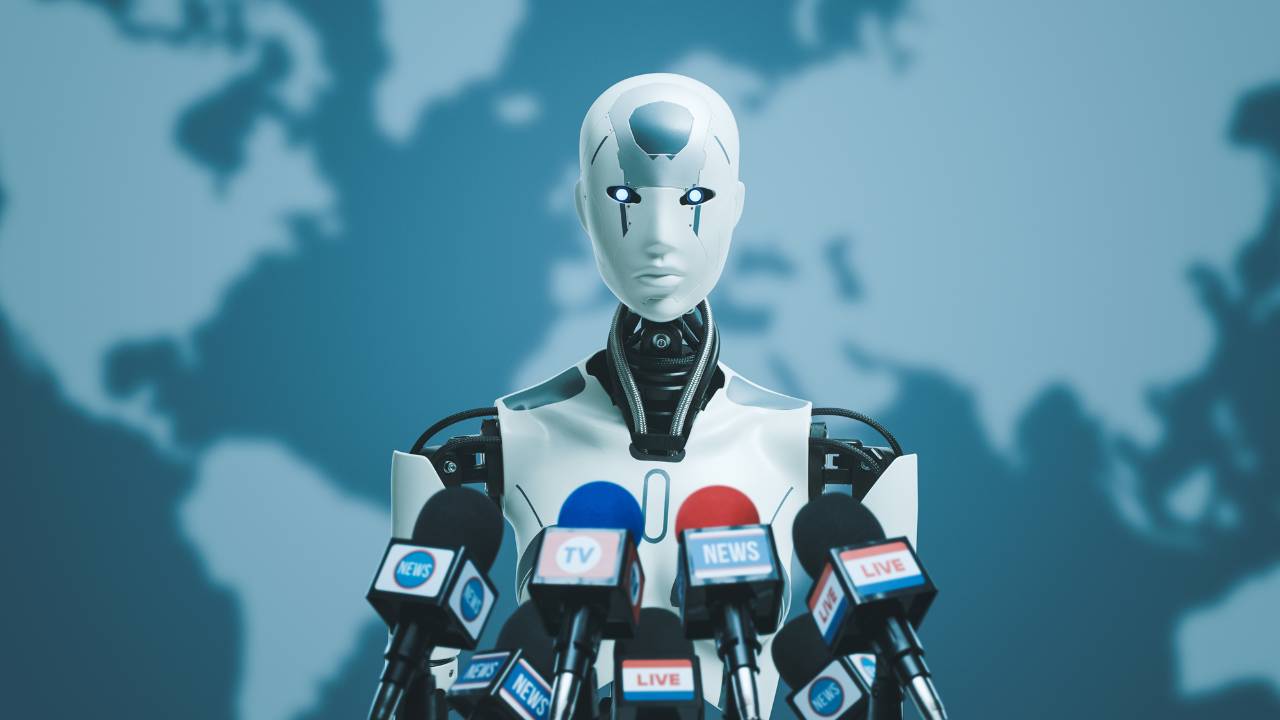
Let's face it: it’s becoming harder to know what content to trust.
- Was that post written by a person?
- Was that image real?
- Was that video genuinely them?
- How much of this content has been heavily edited or even generated?
These questions are becoming part of how we all process content every day.
And for brands wanting people to buy into them, that changes things.
When audiences begin to question content, they also question how much they can trust those behind it
Adobe recently reported that one-third of customers would stop interacting with a brand if they discovered content was AI-generated rather than human-made, and over a third would step back if they realised they were interacting with AI when they expected a person.
This is a major insight.
Because it suggests that the challenge isn’t just about creating more content.
It’s about creating trust.
The Media is already reflecting this shift
I'm already seeing early signs of this in journalism.
Cision’s State of the Media research shows that journalists continue to value access to real people and relevant sources, not just written statements.
And earlier this week, I heard from a PR contact that some journalists are beginning to ask for verbal commentary, not just written responses.
This strongly suggests that real voices are becoming more important within it.
The same questions are starting to apply across everything:
- LinkedIn posts
- Marketing content
- Thought leadership
- Company messaging
- Advertising
Whilst well-crafted posts should be enough, it's known that it's possible to refine them, edit them, perfect them - ask AI to create them.
Which means that the question quietly becomes, 'is this really them?'
In our quest for digital credibility, it's easy to hide behind a tool that can make us look great, but the more polished content becomes, the more valuable unfiltered human communication becomes.
Why being seen and heard now matters more
This is where the role of the spokesperson expands.
There are so many opportunities to be authentically you. To build that trust. To help your audience buy into you, and therefore your brand.
Across:
- Video
- Podcasts
- Presentations
- Panel discussions
- Live conversations
- Even how you show up in meetings
These are the moments where people can’t hide behind editing or automation, and therefore they are the moments that matter, and will increasingly matter, most.
If this kind of responsibility fills you with nerves, have a look at 'Overcoming Presentation Anxiety at Work'.
AI doesn’t remove the need for people, it increases it
AI will naturally continue to play a role in content creation. This isn't being questioned. There are so many valuable support roles that AI provides: Journalists themselves are already using it widely.
But you only have to Google, 'the problem with AI in the media' and you'll find articles that highlight concerns about accuracy, transparency, and trust.
This ultimately means that even with all the amazing things AI can help us achieve, it also increases the need for credible people.
Why communication skills are becoming a core differentiator
The ability to communicate clearly, naturally, and credibly is a core professional skill. Not in a polished way, but in a way that is authentic, grounded, easy to follow, relatable and genuinely human.
We all have the capacity to achieve this, it's often just the lack of tools and confidence that hold us back.
This is where the Brand Champion Bootcamp fits in; it is designed to help you easily clarify what you want to say, structure your thinking, know how to prepare for tricky questions, and communicate in a way that feels natural and engaging.
Because in a world where more content will be questioned, the people who stand out won't be the ones who create the most.
They'll be the ones who can step forward and communicate clearly when it matters.
If this article has prompted you to think differently about how you prepare for presentations, interviews and other important communication opportunities, I'd love you to join me at my next free 'Create Your Magnetic Message' Masterclass.
Together, we'll explore practical frameworks that help you communicate with greater clarity, confidence and impact, whatever the occasion.
Find out more and reserve your free place: Create your Magnetic Message
Rebecca Jabbar