What do you gain from public speaking skills training?

Most people don’t suddenly wake up one morning and decide they want public speaking training.
Usually, something changes professionally first.
You may have been promoted. Asked to lead more meetings. Expected to present to senior stakeholders. Invited onto panels or webinars. Asked to speak to the media. Or perhaps you’ve simply reached a point where communication now carries more weight professionally than it used to.
Because as careers progress, visibility tends to increase, and the more people see and hear you communicating, the more likely they are to form opinions about your credibility, confidence, leadership, and expertise.
And increasingly, communication isn’t viewed as a ‘bonus’ skill professionally. As AI content floords LinkedIn feeds and Google searches, human communication - being able to articulate your point and truly engage people - matters more than ever
This is one of the reasons communication and media training has become so popular amongst founders, senior leaders, subject matter experts, and professionals stepping into more visible roles.
In fact, I was recently invited to join a founder networking event specifically because attendees had requested the organisers invite a media trainer to help them improve how they come across in interviews and on camera.
This says a lot, because people increasingly recognise that expertise alone isn’t always enough. You also need to be able to communicate that expertise clearly, naturally, and credibly when visibility increases.
Why communication skills matter more as your career progresses
One of the biggest misconceptions around public speaking or media training is that it’s mainly for keynote speakers, celebrities, or people who love being in the spotlight.
In reality, communication pressure often grows gradually through normal career progression.
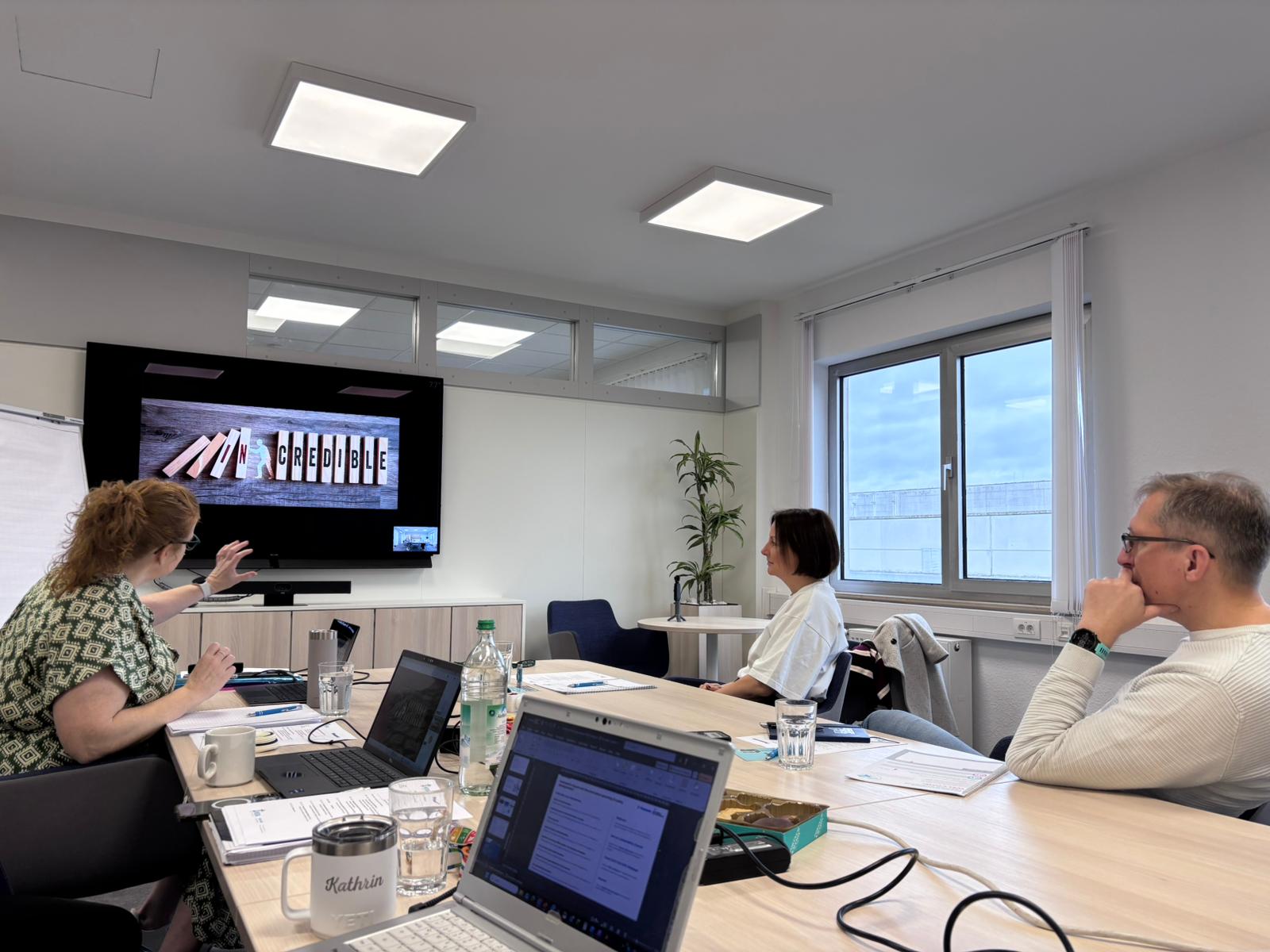
You may suddenly find yourself:
- Leading larger meetings
- Presenting to senior stakeholders
- Handling more difficult questions
- Representing your organisation externally
- Taking part in panel discussions or webinars
- Speaking directly to customers or influencers
And whilst technical expertise may have helped you reach this point professionally, communication increasingly shapes how people experience your leadership, credibility, and influence.
Whether people realise it consciously or not, they are constantly forming impressions based on:
- How clearly you explain ideas
- How calmly you deal with pressure
- How structured and concise you sound
- How naturally you communicate
- How comfortable and credible you appear speaking
In an age of AI, organisations and employees have begun to become drained by formulaic, AI communication. Reliance on human communication to build trust, confidence, rapport, and credibility is only going to increase to cut through the noise. It's ultimately people that we buy from.
Why many professionals seek presentation or media training
Interestingly, people rarely seek public speaking skills training at the very beginning of their careers, more often, it happens when:
- A role increasingly demands visibility
- Leadership expectations change
- Public speaking becomes unavoidable
- Media opportunities start appearing
- Colleagues start to ask for help with podcasts and videos
- Someone realises they don't sound as good as they know they are
This is especially common amongst highly capable professionals who are increasingly expected to communicate more visibly as their careers progress.
Many people reach a point where technical expertise alone no longer feels enough because they may suddenly find themselves needing to:
- Present ideas more regularly
- Lead conversations more confidently
- Represent their organisation externally
- Communicate with greater clarity under scrutiny
- Handle questions in higher-pressure situations
And whilst they may know their subject extremely well, they often realise they’ve never formally been taught how to communicate comfortably and effectively in these environments.
This is often the point where presentation skills or media training starts to feel less like an optional extra, and more like a professional skill worth developing deliberately.
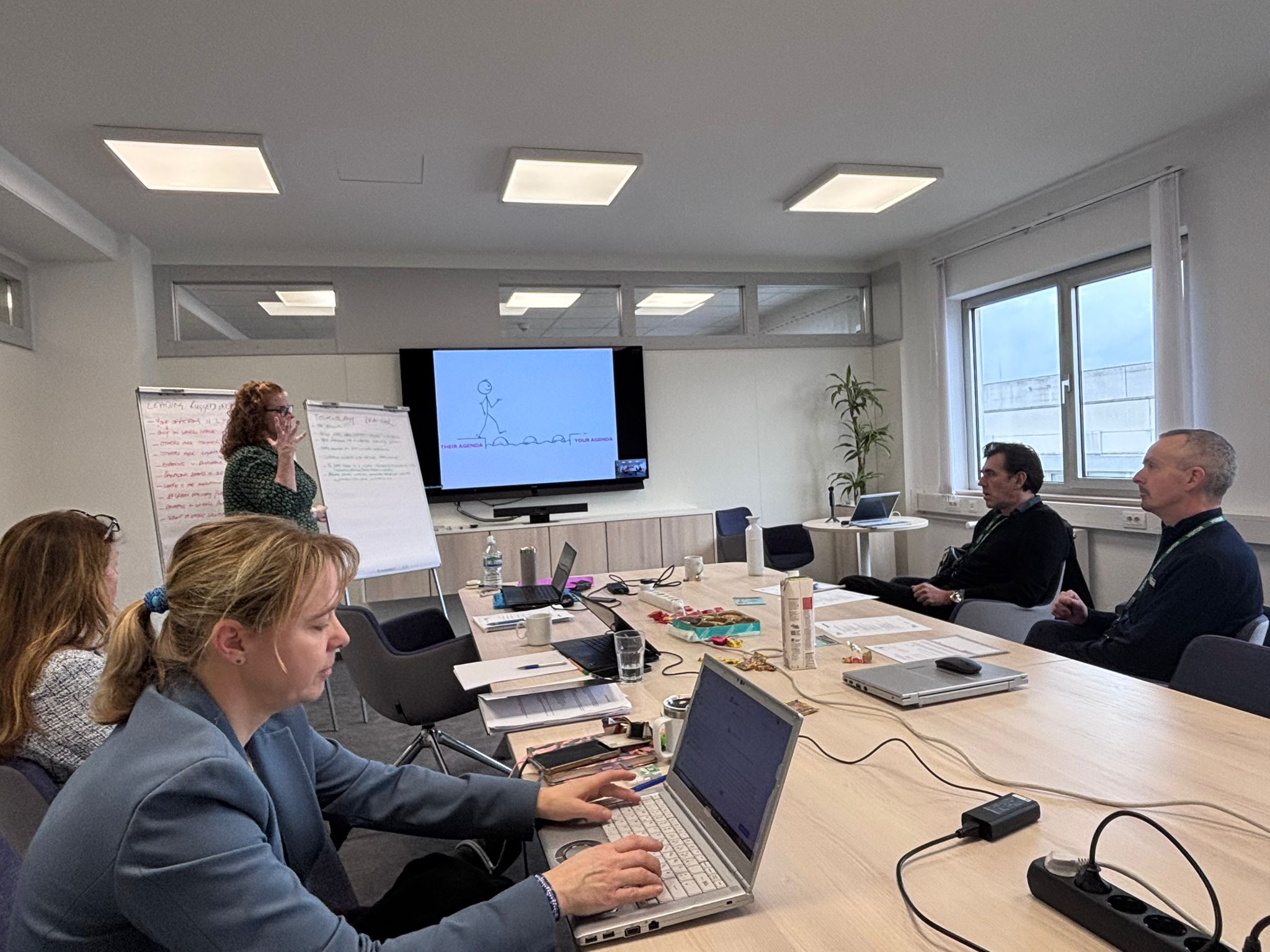
And because communication now happens across so many environments, from Teams calls and webinars to live stakeholder presentations and interviews, professionals increasingly need communication skills that work both virtually and in person.
If communication pressure tends to show up more as nerves, overthinking, or fear around visibility for you, you may also find ‘Why Presentation Anxiety Happens’ helpful.
What skills do you actually gain from public speaking skills training?

One of the biggest benefits of strong communication training is learning how to structure your thinking clearly.
Many people know exactly what they want to say internally, but struggle to communicate it clearly in real time.
Public speaking and presentation training helps you:
- Structure ideas more clearly
- Communicate more concisely
- Stay calm under pressure
- Handle questions more effectively
- Present more naturally and credibly
- Build better audience connection
- Avoid over-explaining or rambling
- Prepare more effectively
- Communicate well - both virtually and in-person
Importantly, good communication training shouldn’t make you sound scripted or corporate, it should help you sound more like yourself, just clearer, calmer, and more confident under pressure.
What makes the Brand Champion Bootcamp different?
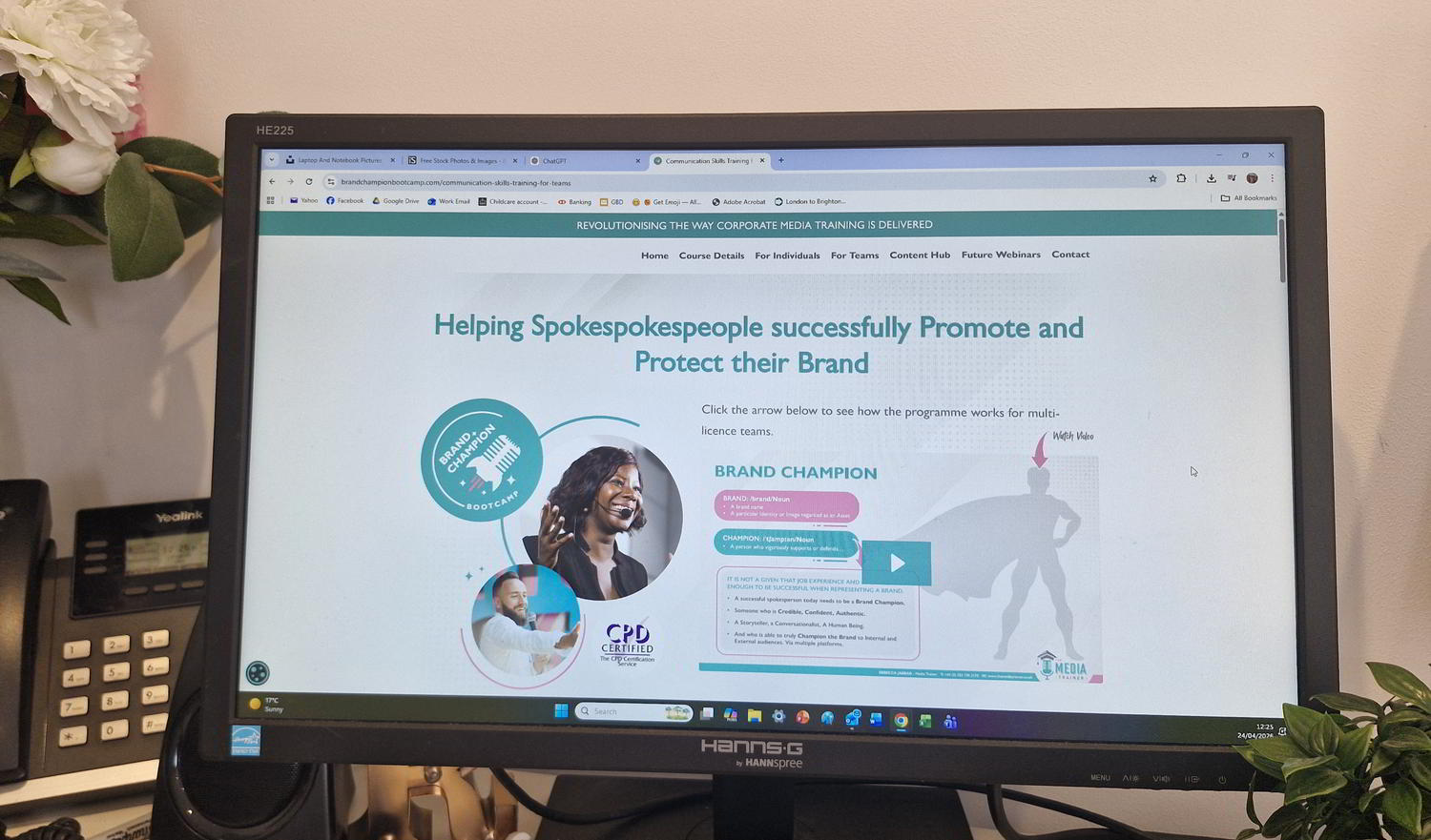
Most communication training happens in a single workshop, where people leave motivated, but often struggle to apply what they learned consistently afterwards.
The Brand Champion Bootcamp was designed differently.
Instead of relying on one-off learning, it combines:
- On-demand access to practical communication training
- Flexible learning that fits around professional life
- Presentation skills, public speaking, and media training guidance
- Practical tips and frameworks you can return to repeatedly
- Real-world preparation and messaging techniques
- Two hours of live coaching to help you apply the learning to your personal situation
This combination matters because communication confidence rarely develops in a single day. It develops through understanding what to prepare, how to structure your thinking, how to handle pressure, and how to apply communication techniques repeatedly in real professional situations.
And in a world where communication increasingly shapes visibility, trust, leadership perception, and opportunity, these skills can influence far more than presentations alone.
If preparation is where you currently feel least confident, ‘How to Quickly Prepare for a Presentation or Media Interview’ breaks down a practical starting point.

The biggest shift is often professional visibility
Interestingly, the biggest outcome people often experience isn’t becoming a ‘perfect speaker’, it’s becoming someone who no longer avoids putting themselves forward because they know what to expect and not only what to prepare, but how to prepare.
And over time, these skills often influence opportunities, confidence, leadership perception, and career progression far beyond public speaking itself.
This is exactly why the Brand Champion Bootcamp exists.
A practical, flexible, lifetime resource designed to help you communicate more clearly, confidently, and credibly in the moments that matter, combining on-demand learning with live coaching and real-world communication techniques you can continue applying throughout your career.
If this article has prompted you to think differently about how you prepare for presentations, interviews and other important communication opportunities, I'd love you to join me at my next free 'Create Your Magnetic Message' Masterclass.
Together, we'll explore practical frameworks that help you communicate with greater clarity, confidence and impact, whatever the occasion.
Find out more and reserve your free place: Create your Magnetic Message
CATEGORIES
All Categories best tips brand champion communications skills executive media training hybrid presentations media interview media training media training skills messaging nerves podcast interview preparation presentation anxiety presentation skills presentation skills training presentation skils public speaking representing your business spokesperson training videoRebecca Jabbar

Rebecca Jabbar
Founder
Rebecca Jabbar has helped hundreds of Founders and Senior Leaders around the world become great at public speaking. To feel confident in being credible, engaging, and entertaining – winning the hearts and minds of their target audience.