
Why Public Speaking Training is Essential for Businesses

Over the years, I've worked with everyone from engineers and product specialists through to senior leaders and corporate spokespeople.
Despite the differences in their roles, many face the same challenge.
They're incredibly knowledgeable about what they do, but at some point they're asked to stand up, speak on behalf of their organisation and communicate that expertise to others.
Sometimes that's a customer presentation. Sometimes it's a town hall meeting, an industry event, a media interview or a webinar. Increasingly, it might be a podcast appearance, a video interview or content shared across social media channels.

What these situations have in common is that they all shape how people perceive both the individual and the organisation they represent.
This is why public speaking training for business has become such an important investment for organisations that want their people to communicate and connect with audiences with confidence.
How Public Speaking Training for Business Builds Trust
Most organisations invest heavily in developing expertise. Employees typically receive technical training, gain professional qualifications and build valuable experience throughout their careers.
What often receives less attention is public speaking training for business: helping people communicate that expertise clearly, confidently and effectively.
I've met countless professionals who know their subject inside out but struggle to explain it clearly to others. Sometimes they're overwhelmed by nerves. Sometimes they include too much detail. Sometimes they assume their audience knows as much as they do.
The result is that valuable expertise can become difficult to understand, and opportunities to build trust can be missed.
When people communicate clearly, confidently and with genuine enthusiasm for their subject, audiences are more likely to listen, understand and remember what they've heard.
Your People Represent Your Business Every Time They Speak
Public speaking isn't limited to conference stages and keynote presentations.
Every day, employees are speaking to customers, partners, suppliers, stakeholders and colleagues. They're leading meetings, presenting proposals, participating in webinars, recording videos and contributing to industry discussions.
Each of these interactions influences how the organisation is perceived.
I've often seen organisations focus their communication training on a small group of senior leaders, whilst overlooking the subject matter experts, technical specialists and managers who may have just as much contact with customers and stakeholders.
In reality, many of these individuals are acting as ambassadors for the organisation every time they speak.
Helping them communicate effectively benefits both the individual and the business.
Public Speaking Confidence does not Always Come with Expertise
One of the biggest misconceptions about public speaking is that confidence comes naturally with experience.
In my experience, that's not always the case.
I've worked with highly experienced professionals who still feel nervous before an important presentation. Equally, I've met people who appear confident but haven't developed the skills needed to communicate clearly under pressure.
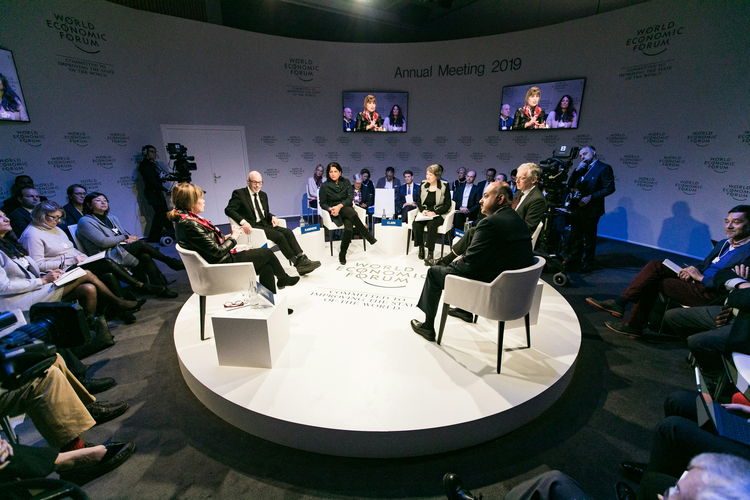
This is particularly important when opportunities arise unexpectedly: A journalist may call for comment, a customer may ask someone to present, a senior leader may be invited to speak at an event, or a subject matter expert may suddenly find themselves representing the organisation during a challenging situation.
In these moments, confidence helps, but preparation and communication skills matter even more.
Better Public Speaking Strengthens Business Relationships
One of the reasons businesses invest in public speaking training is because communication has a direct impact on relationships.
People are more likely to trust individuals who explain ideas clearly.
Customers are more likely to engage when they understand the value being offered.
Stakeholders are more likely to support initiatives when messages are delivered with clarity and conviction.
This isn't about sounding polished or rehearsed. In fact, audiences often respond best to people who sound natural and authentic. The goal is to help individuals communicate in a way that allows their expertise, personality and credibility to come through.
Business Communication Opportunities are Increasing
The number of situations in which employees are expected to communicate publicly continues to grow. Alongside traditional presentations and meetings, organisations are increasingly creating video content, participating in podcasts, hosting webinars and encouraging employees to contribute to conversations online.

This creates valuable opportunities to build awareness, trust and engagement.
At the same time, it also increases the importance of helping people communicate effectively. When employees are more visible, the potential impact of both good and poor communication becomes greater.
This isn't about creating scripted spokespeople. It's about giving people the skills, confidence and judgement to represent themselves and their organisation well.
Why One-off Training Isn't Always Enough
Another challenge I've observed throughout my career as a Media Trainer is that communication training is often delivered as a single event.
People attend a workshop, learn valuable techniques and leave feeling more confident, the difficulty is that communication opportunities don't always happen the following week. Months later, when an important presentation, media interview or speaking opportunity appears, much of that learning may have faded.
This isn't a reflection of the quality of the training. It's simply how learning works, and this is one of the reasons I created the Brand Champion Bootcamp.
The programme brings together the frameworks, tools and techniques I've developed over many years of coaching and training professionals. More importantly, it gives people somewhere to return when they need support.
Rather than relying on a single training day, individuals can refresh their knowledge, revisit key concepts and prepare for important communication opportunities whenever they arise.
Public Speaking Is Now an Essential Business Skill
The organisations that communicate most effectively are rarely the ones with the most expertise alone, they're the organisations that help their people communicate that expertise clearly, confidently and consistently.
Public speaking training isn't simply about helping people feel more comfortable standing in front of an audience. It's about helping employees build trust, strengthen relationships, represent the organisation effectively and make sure their knowledge has the impact it deserves.
In a world where people increasingly buy from people, trust people and remember people, public speaking skills have never been more valuable for business.
If this article has prompted you to think differently about how you prepare for presentations, interviews and other important communication opportunities, I'd love you to join me at my next free 'Create Your Magnetic Message' Masterclass.
Together, we'll explore practical frameworks that help you communicate with greater clarity, confidence and impact, whatever the occasion.
Find out more and reserve your free place: Create your Magnetic Message
Rebecca Jabbar