
Why some media interviews go wrong (even when you know your subject)
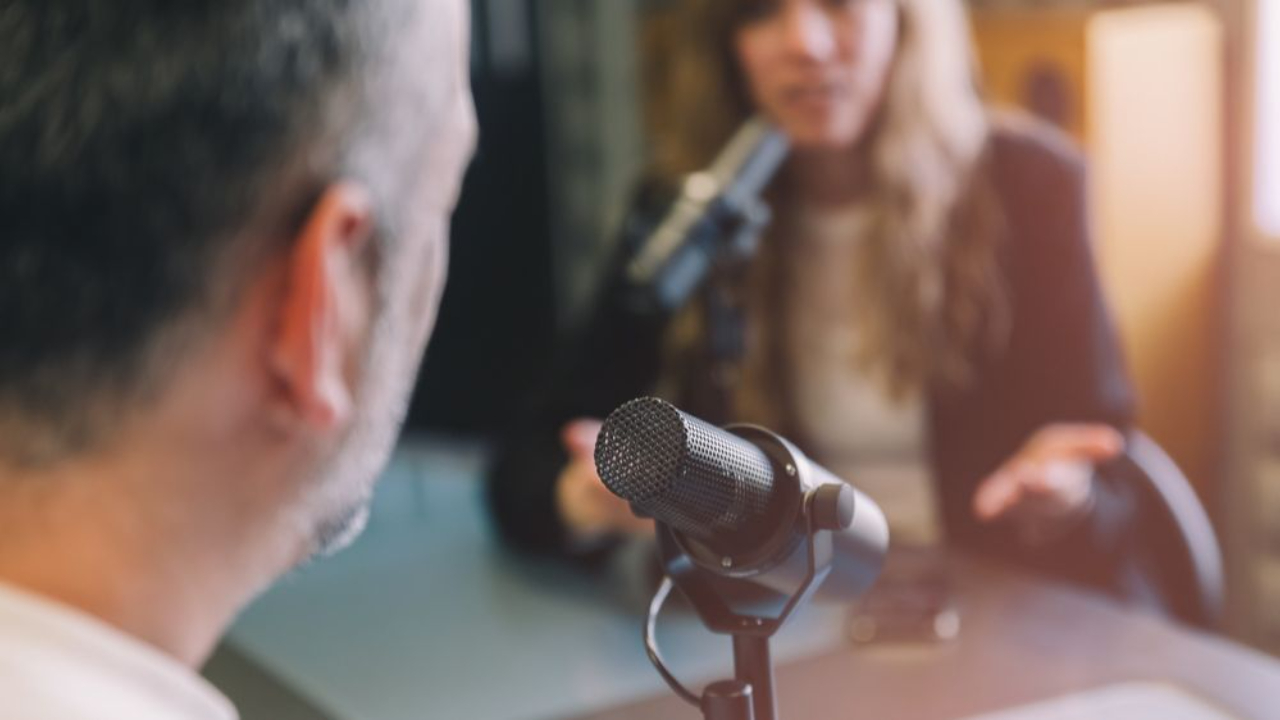
Do you sit in the camp that if you know your subject, and especially if you’ve spoken to the media before, it’s fine to wing it?
I’ve worked with quite a few executives who actively prefer it this way. They’ll say it helps them sound more natural. Less rehearsed. More themselves.
I understand this, because no one wants to sound scripted, and in fact, I really don't like scripts.
But it only takes one interview to go wrong for it to have an impact, on both your personal and business brand.
What actually happens in a media interview
The journalist and the interviewee are supposed to work together, to create something interesting that their mutual audience will enjoy. Often, the person who is winging it, hasn't given that enough thought. It's not about a journalist preparing lots of questions that will hopefully guide you to sounding great, it's about you guiding them on what you believe matters most.
And then, what’s interesting is that when something does go wrong, it’s rarely obvious in the moment.
It doesn’t feel like a major mistake. In fact, it’s usually much more subtle than that. In a 'winging it' interview, an answer might run a little longer than intended, a point isn’t quite as clear as it could be, or a message doesn’t land in the way it was meant to.
Yet often, the person speaking comes away feeling that it was ‘fine’, and 'good enough'.
But guess what? The journalist, and the audience experience it differently.
Why ‘winging it’ doesn’t always work
The challenge with ‘winging it’ isn’t that it never works. It’s that it only works when everything stays within familiar territory.
When the questions are what you expected, when there’s a bit of thinking space, and when the conversation follows a path you recognise, it can feel natural and easy.
But media interviews, and most live conversations, don’t tend to work like that.
The direction shifts. The question changes. Sometimes it goes deeper, or slightly off track, or into an area you hadn’t fully thought through beforehand.
And this is where things start to feel less comfortable.
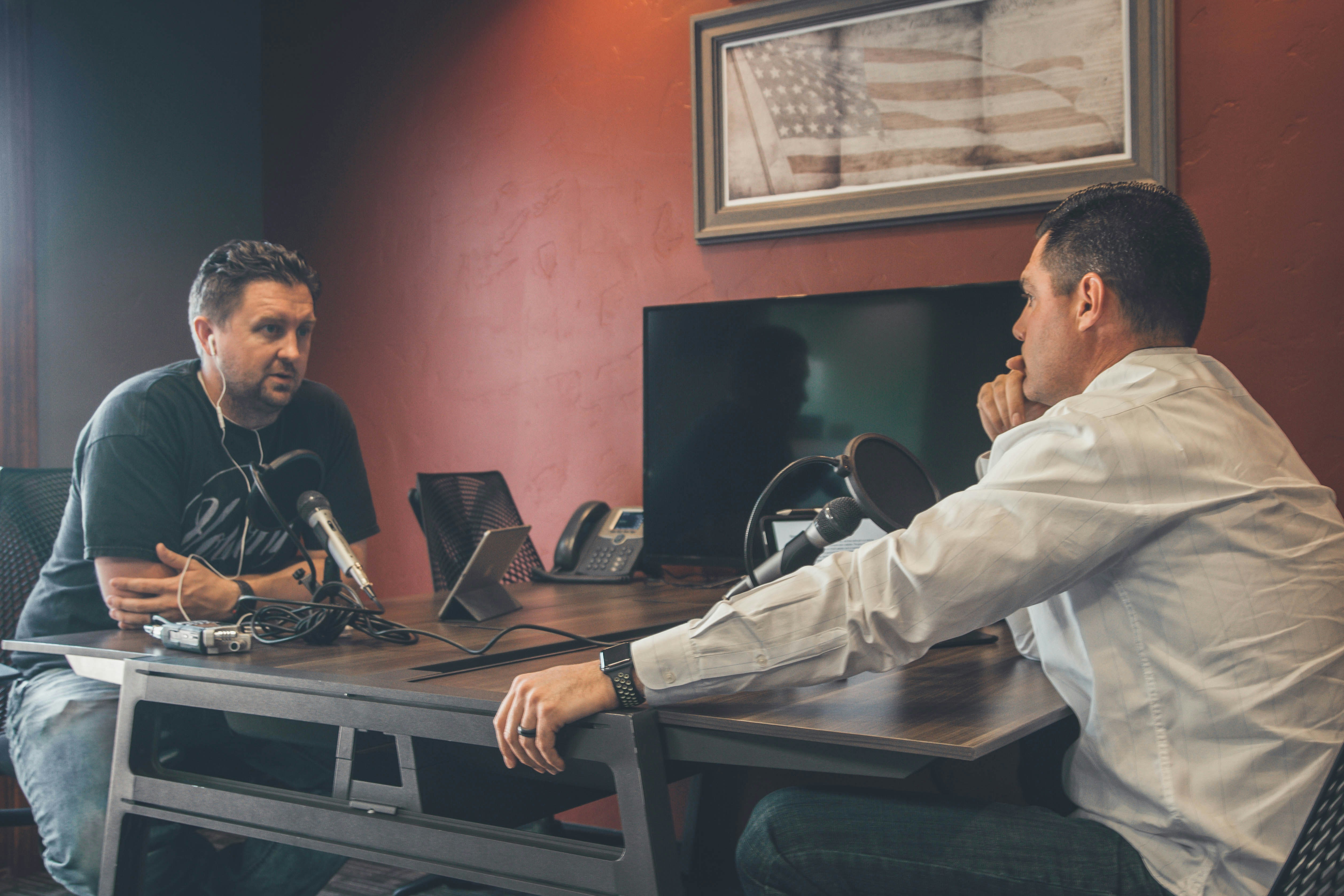
Why knowing your subject isn’t always enough
I’ve seen this happen with people who know their subject inside out.
They’re credible, experienced, and used to speaking about their area. But when they’re asked something in a slightly different way, or pushed a little further, they find themselves working things out as they speak.
Trying to be accurate and trying to include the right level of detail, but sometimes in doing this, the clarity starts to slip.
Not because they don’t know what they’re talking about, but because they’re trying to find the answer in the moment, rather than working from something they can rely on.
When media training is misunderstood
There’s another version of this that’s worth calling out.
We’ve all seen interviews, often in political settings, where someone has clearly been media trained. They stay on message, they redirect the conversation, and they don’t get pulled off track.
They have taken the lesson of 'own the agenda' on board, but in doing this, they stop answering the question altogether.
And as a viewer, you can feel it.
It starts to feel slightly uncomfortable. A little evasive. Less credible, not more.
It can even become irritating as you listen to the journalist say repeatedly, 'but you didn't answer my question'.
This isn’t what good media training is designed to do.
Because strong communication isn’t about avoiding the question. It’s about addressing it properly, and then shaping the answer so that what matters still comes through.
Why preparation doesn’t always help
I know that most people do prepare.
They think about what they want to say, anticipate the questions, and sometimes even write things down. But that preparation tends to focus on content, on getting the wording right, rather than on how to handle the moment itself.
So when the conversation moves, or the question isn’t quite what was expected, that preparation can feel surprisingly fragile: what looked clear on paper becomes harder to access in real time.
What actually makes the difference
The difference isn’t knowing more, it's simplifying what you know into a really clear message that can be understood and remembered - and then delivering that message at a point when you are really being listened to.
And in fact, it's this simplification that enables you to come across as credible, not just knowledgeable.
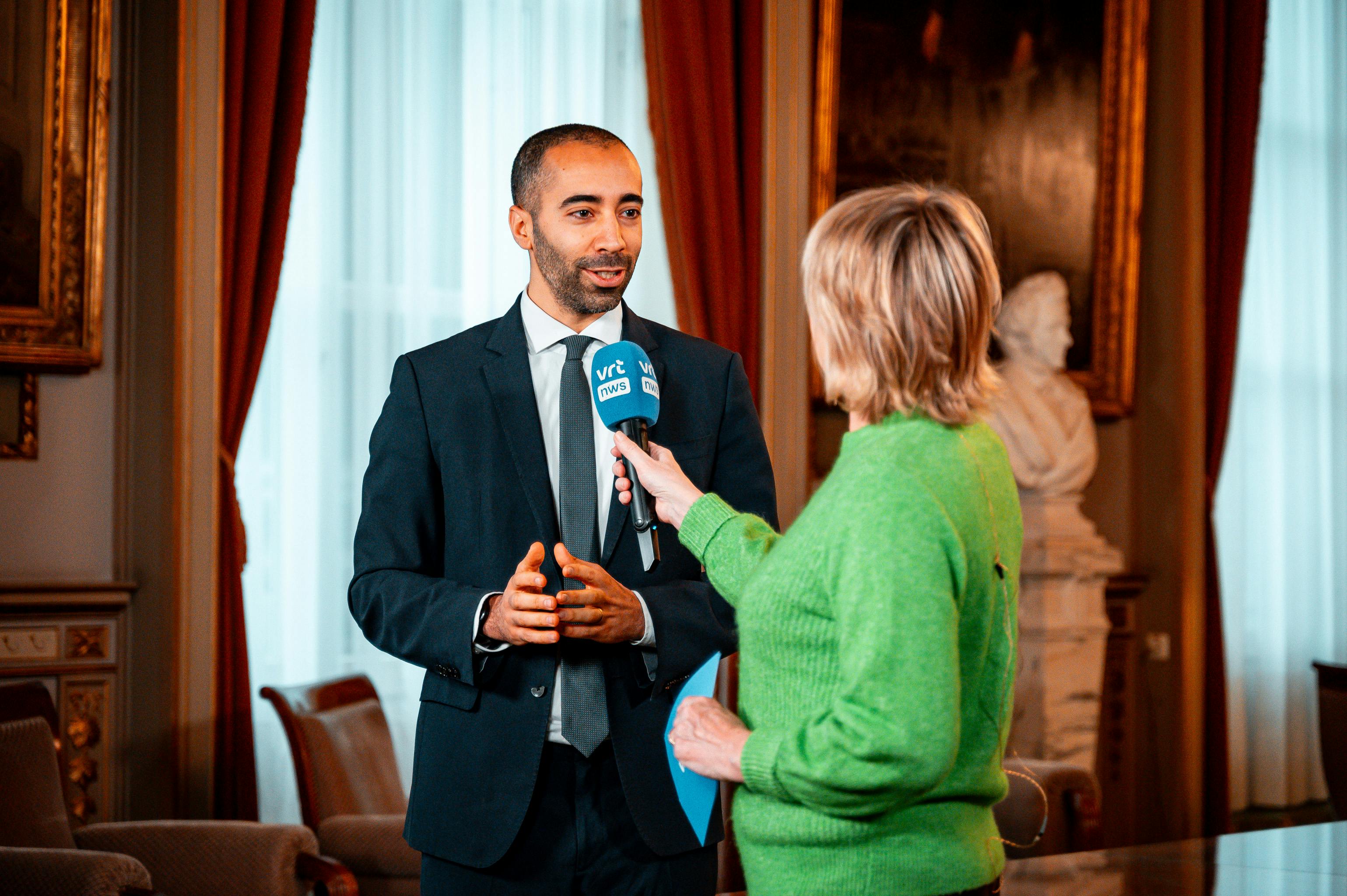
Why this matters more now
These moments are becoming more common.
Not just in traditional media, but across podcasts, panel discussions, internal meetings, and any situation where you’re asked to explain something on the spot.
More people are being asked to step forward, to respond, and to represent something in real time.
And the gap between knowing something and communicating it clearly becomes much more visible.
Where Brand Champion Bootcamp fits
Brand Champion Bootcamp is designed to help close that gap.
Not by giving you lines to remember, but by helping you understand how to approach these moments in a way that feels natural, structured, and reliable.
So that when the pressure shifts, you’re not relying on instinct alone, you’re working from something you understand, and can use consistently.
If this article has prompted you to think differently about how you prepare for presentations, interviews and other important communication opportunities, I'd love you to join me at my next free 'Create Your Magnetic Message' Masterclass.
Together, we'll explore practical frameworks that help you communicate with greater clarity, confidence and impact, whatever the occasion.
Find out more and reserve your free place: Create your Magnetic Message
Rebecca Jabbar