
How to create soundbites that journalists will actually use
If you’re thinking about how to get media coverage, or more specifically how to get media coverage for your business, there’s one thing that makes a bigger difference than most people realise.
It almost never about how much you say.
The vital thing journalists value is how valuable what you say actually is.
Most interviews occur with lots said, but only a small part remembered, repeated, or quoted. That’s where soundbites come in.
What is a soundbite?
A soundbite is a short section of speech that can be lifted from a longer conversation and used on its own.
It doesn’t need extra context to make sense. In practical terms, it’s the part of what you say that a journalist can drop straight into an article, or lift from video or audio content and reuse.
Why journalists rely on soundbites
Journalists aren’t trying to rewrite everything you say - quite frankly, they don’t have the time.
They’re working to tight deadlines, shaping content for an audience, and often bringing together multiple perspectives into one piece. That means they’re looking for clear, concise media quotes they can use as they are.
When a spokesperson offers something that’s easy to understand, clearly relevant, and able to stand on its own, it becomes very, very useful - and therefore more likely to be used.

What makes a soundbite usable
A strong soundbite isn’t complicated, but they can be intentional and strategically chosen.
It needs to be
- Clear enough to understand immediately
- Concise enough to hold attention
- Shaped in a way that allows it to stand alone.
It also needs to connect directly to the question being asked while offering something that feels interesting or worth repeating.
Often, the difference comes down to perspective. Rather than simply explaining something, a soundbite offers a way of looking at a topic that feels useful, relatable, or thought-provoking.
If a sentence can be lifted out of your answer and still make sense on its own, it’s far more likely to be used.
Where people go wrong
Usually, it isn’t a lack of knowledge that causes the issue, instead it's due to the way the response is shaped in the moment.
Answers become longer than they need to be, with too much detail and not enough focus. Sometimes the response starts to sound more like promotion than contribution, which makes it difficult for a journalist to use. There’s also a tendency to over-explain, or to rely on internal language that doesn’t translate easily to an external audience.
In each of these situations, the result is similar: there’s nothing clear enough to lift and use.
How to prepare soundbites before an interview
The most effective spokespeople don’t rely on finding the right words in the moment. They give themselves something to work from in advance.
Before any media opportunity, it’s worth thinking about the one or two points you really want to be heard. Not a script, and not a list of answers, but a couple of clear ideas that are relevant to the topic and grounded in your own experience.
These might come from patterns you’re seeing in your industry, conversations you’re having with customers, or a perspective on what’s changing and what that means.
From there, it becomes much easier to shape those ideas into statements that can stand on their own. They often begin naturally, with phrases such as ‘what we’re seeing is…’ or ‘the challenge with this is…’, and develop into responses that feel both structured and conversational.

The key is that they’re expressed in your own words. Journalists are also looking for something that sounds natural and credible, rather than prepared or overly polished.
If you’d like extra help with this, you can also access our free Top Tips.
Why this improves your chances of media coverage
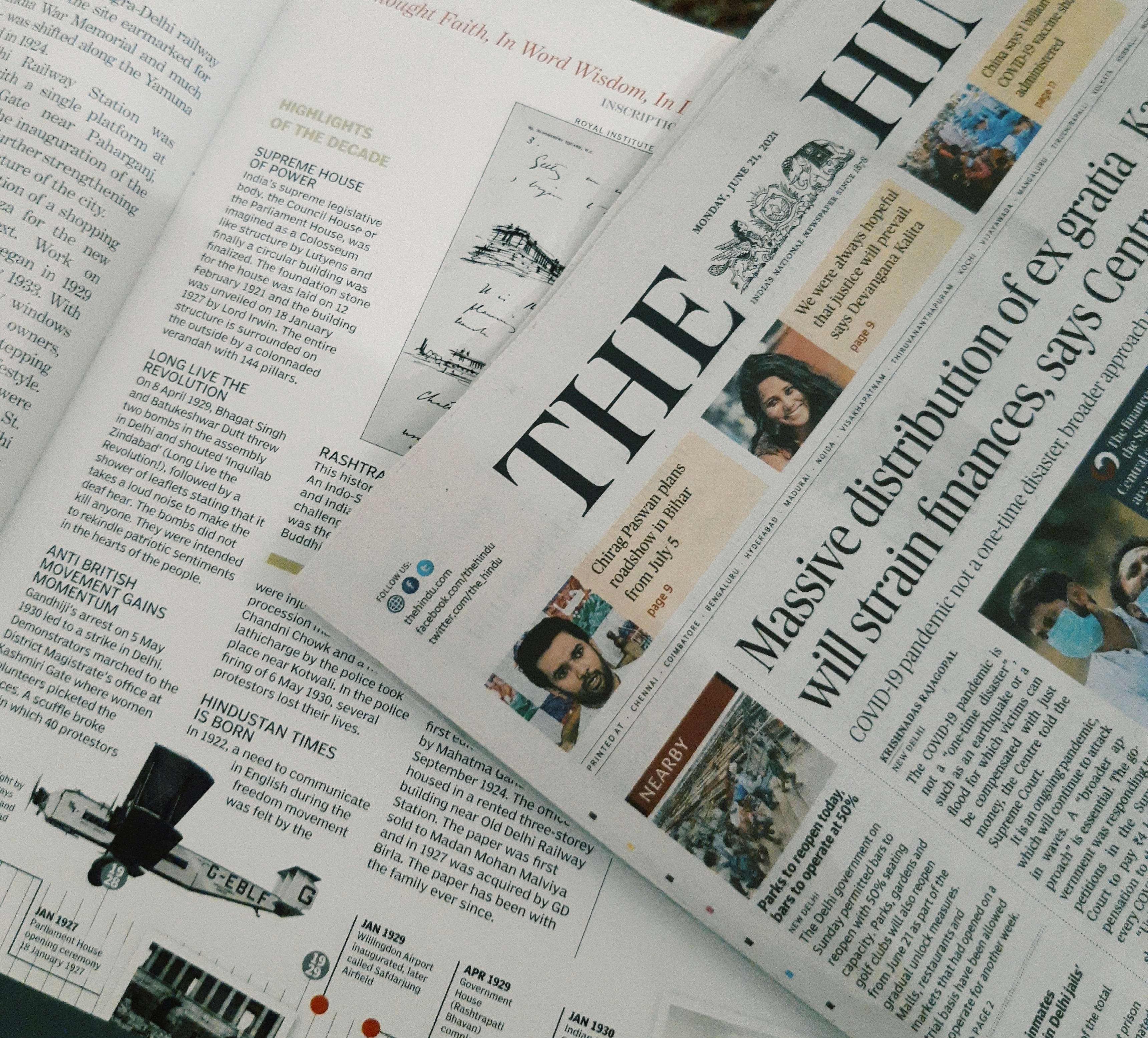
If you’re thinking about how to get media coverage, this is one of the most practical ways to improve your chances.
When a journalist can easily use what you’ve said, it becomes much more likely that they will. You’re not just offering information, you’re contributing something that fits the story without needing to be reworked.
That makes your input more valuable, more likely to be included, and more likely to be remembered.
If preparing for interviews is something you’re working on more broadly, you might also find it helpful to read ‘What Is Media Training? A Complete Guide for Executives and Spokespeople’.
A simple way to think about it
In any interview, you'll say far more than will ever be used.
Make sure you prepare a couple of sentences that you can confidently deliver clearly and are ready to be used (and remembered).
If this article has prompted you to think differently about how you prepare for presentations, interviews and other important communication opportunities, I'd love you to join me at my next free 'Create Your Magnetic Message' Masterclass.
Together, we'll explore practical frameworks that help you communicate with greater clarity, confidence and impact, whatever the occasion.
Find out more and reserve your free place: Create your Magnetic Message
Rebecca Jabbar